
Creative Lighting Solutions

DESIGN • SALES • COMMERCIAL PROJECT SUPPORT

Restaurant LED Lighting
for Long Island & Naples

Set the mood. See the detail.
Make every service feel considered.

Bring warmth to the table and clarity to the work behind it. Creative Lighting helps restaurant owners plan LED lighting that suits their dining experience, daily operations and next stage of growth.

Long Island, NY Naples & Southwest Florida

LET’S TALK ABOUT YOUR RESTAURANT

Schedule Your Complimentary Commercial Lighting Audit.

Tell us where your lighting could work better.

Name
Prefer to talk? (516) 741-6333
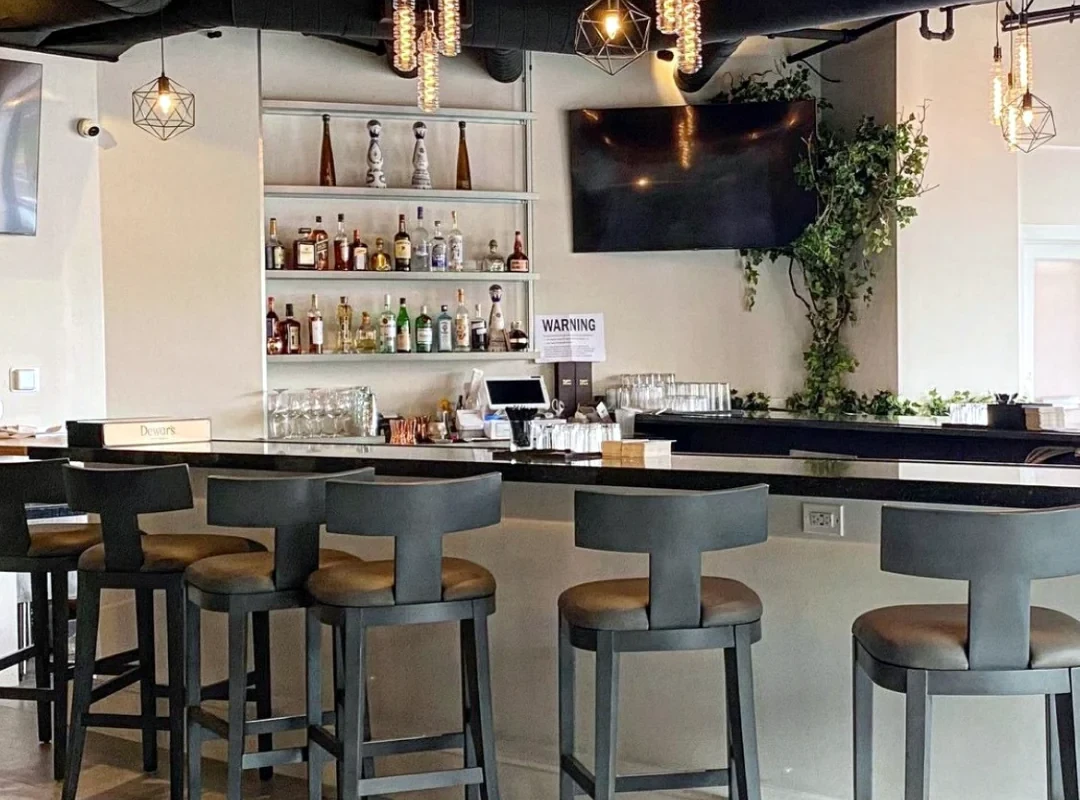
The Ivy Restaurant bar with pendant lighting, illuminated shelving and counter seatingREVIEW ONLY · New restaurant hub · Form does not submit
Commercial lighting since 1965Design guidanceFixture selectionProject coordination

01 / LIGHT THE EXPERIENCE

Every area has
a different job.

A successful restaurant lighting plan connects the room guests remember with the spaces your team uses all day. Begin with how each area operates, then select the fixtures and controls that serve it.

01

Dining rooms & booths

Balance atmosphere with enough useful light to read a menu, see the plate and move comfortably between tables. Consider pendant heights, booth partitions and seated sightlines. A bright exposed lamp can feel intrusive even when the rest of the room looks dim.

02

Bars & service counters

Give bottles, shelving and finishes definition while keeping preparation and payment areas usable. Check reflections in mirrors, polished stone and screens. Separately controlled accent lighting lets the bar keep its character as daylight changes.

03

Kitchens & preparation

Plan light around chopping, cooking, plating and cleaning rather than using the dining room as a brightness reference. Hoods, shelves and equipment can cast shadows. Review fixture suitability for the environment and the food-service rules adopted by the local authority.

04

Entrances & circulation

Help guests identify the host station, restrooms and changes in floor level. Review the transition from a bright entrance to an evening dining room. Keep required emergency and exit lighting functions separate from decorative scene choices.

Kitchen planning should reference the applicable local rules; the FDA Food Code is a model used by regulatory authorities.

02 / PLAN BEFORE YOU PURCHASE

A beautiful room.
A practical lighting plan.

Start with the restaurant you want to run—not just a list of replacement lamps.

Discuss your restaurant

Review the room from a guest’s seat

Walk the space during daylight and evening service. Note glare above booths, dark table edges and distracting reflections. Menu readability and the appearance of faces, food and finishes deserve attention alongside the decorative effect. Compare color quality using samples in the room; a color-temperature label alone cannot predict the result.

Give each layer a purpose

General lighting establishes the room, task lighting supports specific work, and accent lighting draws attention to selected features. Coordinate beam spread, mounting positions and reflected light so these layers work together. Manufacturer resources such as TCP’s hospitality lighting guide illustrate different fixture applications; final selections should follow your restaurant’s needs.

Turn observations into a coordinated layout

Supply dimensions, ceiling information, furniture arrangements and existing circuits for a commercial lighting design review. Where useful, a photometric layout can help assess distribution at relevant surfaces. Check the proposal against architectural details, controls, installation access and the people responsible for the work before ordering.

03 / ONE RESTAURANT, DIFFERENT MOMENTS

Lighting that follows
the rhythm of service.

Make lighting changes repeatable for your staff. Define zones and operating scenes around the way the restaurant opens, serves and closes.

OPENING

Prepare

Useful light for setup, deliveries and inspecting tables before guests arrive.

DAYTIME

Welcome

Balance window light with interior zones, particularly deeper into the dining room.

EVENING

Settle in

Adjust dining and accent layers while preserving visibility along service routes.

AFTER SERVICE

Reset

Provide a clear cleaning scene and a deliberate shutdown schedule.

Test dimming as a system

Confirm compatibility between lamps, drivers and controls at the dimming levels you intend to use. Evaluate a sample before a large purchase, especially for evening scenes. DOE’s flicker research explains why performance depends on the driver, dimmer and operating conditions. Specify acceptable behavior rather than assuming every LED will dim smoothly.

04 / UPGRADE WITH A PLAN

Keep what works.
Improve what doesn’t.

A thoughtful upgrade can respect the character of your restaurant.

Compare conversion and replacement

Existing pendants and other fixtures may be candidates for LED retrofit planning. Review their condition, lamp compatibility and distribution first. Replacing lamps will not correct a poorly placed fixture. A mixed approach may retain decorative pieces while replacing equipment that no longer serves the space.

Make maintenance part of the decision

Consider how staff or contractors will reach fixtures above booths, stairs and kitchen equipment. Record replacement components and keep specifications available. Compare initial cost with access requirements, expected operating hours and manufacturer support. A consistent fixture schedule makes later maintenance easier to organize.

Coordinate around service

Set expectations for access, electrical shutdowns, food protection and reopening checks with the responsible contractor. Identify dependencies such as ceiling repairs or new controls. For broader project needs, explore our commercial LED lighting services. Savings estimates should use the restaurant’s actual equipment and operating schedule.

05 / YOUR RESTAURANT, YOUR REGION

Long Island roots.
Florida project support.

One lighting resource, with a project conversation shaped around your location, building and operating needs.

NEW YORK

Long Island restaurant lighting

From its Plainview base, Creative Lighting supports commercial lighting inquiries across Nassau and Suffolk. Share whether your restaurant is in Hicksville, elsewhere in Nassau, or a Suffolk community, along with the areas you want to improve.

For an established dining room, start with the existing electrical layout and decorative fixtures. For a renovation, coordinate the lighting review with the landlord and project team before ceiling and finish decisions are fixed. Outdoor dining areas require their own review of exposure, visibility and nearby properties.

For a PSEG Long Island account, verify any potential incentive directly against current official program guidance. The current offerings do not establish automatic eligibility for a restaurant LED upgrade. Do not include a rebate in the budget without confirmation.

FLORIDA

Naples & Southwest Florida

Restaurant owners in Naples and Southwest Florida can discuss lighting design guidance, product selection and project coordination. Provide the project town and clarify the services needed so local responsibilities, delivery and installation arrangements can be established early.

For dining spaces that open onto a patio, review the change from bright daytime conditions to evening service. Covered and exposed fixtures need different consideration for moisture, cleaning and environmental suitability. Light should serve the tables and routes without unnecessary spill toward adjoining properties.

Identify the utility serving the Florida property before exploring energy programs. Long Island eligibility does not transfer to a Naples account. Creative Lighting’s business base remains Plainview; project-specific on-site work and any approvals are coordinated with the responsible local professionals.

06 / CLEAR ANSWERS

Restaurant lighting,
explained.

Practical answers for owners, operators and project teams.

Talk with us: (516) 741-6333
What makes restaurant lighting different from general commercial lighting?

A restaurant combines presentation, service and food preparation. Guests need comfortable light for menus and conversation while employees need useful visibility at workstations. Separate lighting zones let the dining room feel intimate without forcing the kitchen or circulation areas to operate at the same setting.

Can LED lighting still create a warm dining atmosphere?

Yes. Fixture shielding, placement, light output and color appearance all contribute. Evaluate a sample against your actual finishes, tableware and food before selecting a whole package. Decorative lamps alone may leave tables unevenly lit; a coordinated layer of useful light can support the atmosphere.

How bright should a restaurant kitchen be?

There is no single figure suitable for every space. Preparation tasks, equipment, cleaning and the rules adopted by your local authority determine the requirements. Have the project team review the applicable food-service, building and electrical provisions, then evaluate illumination at the actual work surfaces rather than relying on fixture wattage.

Can our existing pendants and recessed fixtures be converted to LED?

Often, but the equipment needs review. Check socket type, voltage, enclosure conditions, heat limits, lamp dimensions and control compatibility. A sound decorative housing may be worth retaining. Damaged equipment, poor distribution or inaccessible components can make complete replacement a better choice.

Why do some LED lamps flicker or behave poorly when dimmed?

The lamp or driver and its dimmer may not operate well together, especially near the bottom of the dimming range. Request manufacturer compatibility information and test the actual combination. A lamp marked dimmable does not establish compatibility with every existing control or guarantee satisfactory performance in your restaurant.

Can the lighting change between lunch and dinner?

Yes, when the selected equipment and controls support it. Separate scenes can adjust dining, bar and accent zones while preserving appropriate circulation lighting. Include a clearly labeled cleaning setting and staff training. The scene plan should also explain what happens after a power interruption.

Can we improve lighting without closing the entire restaurant?

A phased plan may help, depending on the electrical work, access and operating schedule. Identify sections that can be isolated, coordinate food protection and cleaning, and agree on reopening checks with the responsible contractor. The scope must be reviewed before promising overnight work or uninterrupted service.

Does Creative Lighting install the fixtures?

Creative Lighting’s role includes lighting design guidance, product selection, sales, consultation and project support. The audit should establish who is responsible for electrical installation, permits and commissioning. Those responsibilities are confirmed with your project team and appropriately qualified electrical contractor before work is scheduled.

Do you support restaurants in both Long Island and Naples?

Creative Lighting is based in Plainview and supports commercial project inquiries in Long Island and Florida. Share your restaurant’s town and the help you need. For Naples and Southwest Florida, confirm product, design and coordination arrangements during the audit, including the party responsible for work at the property.

Are lighting rebates or energy savings guaranteed?

No. Savings depend on existing equipment, proposed wattage, operating hours, control settings and utility rates. Incentive programs have separate eligibility rules that change. Verify the restaurant’s serving utility and current written requirements before including an incentive in the budget; Long Island programs do not apply to Florida accounts.

What should I prepare for the complimentary lighting audit?

Bring photographs, a floor plan if available, ceiling heights, fixture or lamp information, your opening hours and a short list of problems. Identify the busiest service periods and any planned renovation. Utility bills and maintenance records can help the discussion, but you can begin with your town and project goals.

Can you help with outdoor restaurant seating?

Ask about the specific patio or covered dining area during the audit. Product suitability depends on moisture exposure, cleaning, mounting and other site conditions. Review spill toward neighboring properties, pedestrian routes and the applicable local requirements. Outdoor installation and any approvals must be assigned to the responsible project professionals.

LET’S START WITH YOUR SPACE

Make your next lighting decision
a well-considered one.

Tell us what your restaurant needs: a warmer dining room, a more usable kitchen, better dimming or a coordinated LED upgrade. Begin with a complimentary commercial lighting audit.

Have plans ready? Explore our commercial lighting consultation service.