Creative Lighting

Home / Commercial lighting / Parking lot lighting

LONG ISLAND • PARKING LOT & EXTERIOR LIGHTING

Parking Lot LED Lighting on Long Island

Make a better first impression after dark. Plan LED lighting around your parking spaces, entrances, walkways, and property boundaries—with a clear view of the upgrade scope.

Improve coverageControl glare & spillPlan exterior upgrades
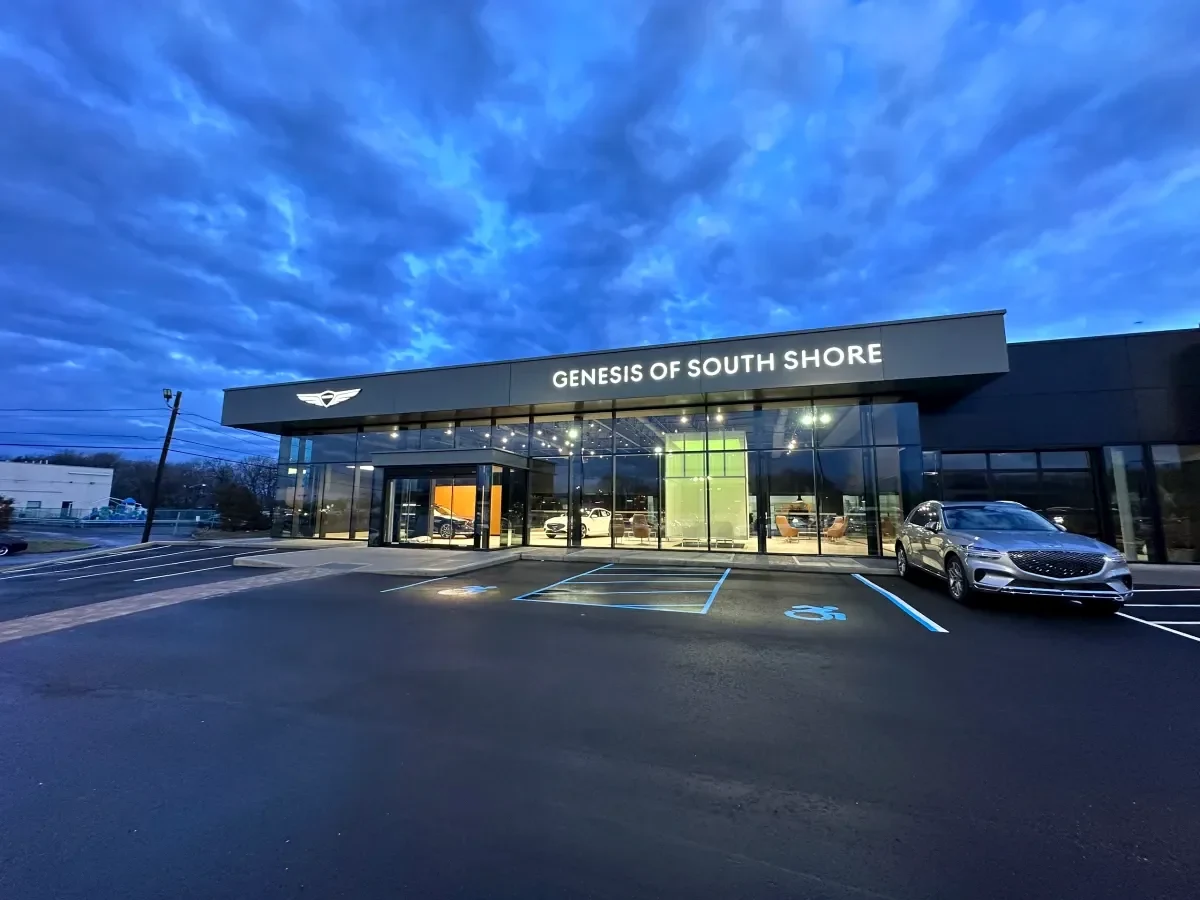
Genesis of South Shore dealership exterior with commercial LED lighting at dusk

LET’S REVIEW YOUR LIGHTING

Schedule Your Complimentary Commercial Lighting Audit.

Name

(516) 741-6333

PLAINVIEW, NEW YORKLIGHTING SALES • DESIGN • CONSULTINGNASSAU & SUFFOLK COUNTIES

A PRACTICAL PLAN FOR YOUR PROPERTY

Better coverage. A clearer path into your business.

A parking lot can look bright from the street and still have dark areas where people park, walk, or unload. Aging fixtures, mismatched replacements, and poorly directed light can leave a property unevenly illuminated. Creative Lighting helps Long Island property owners and facility managers plan parking lot LED lighting around the actual site. From our Plainview base, we provide lighting sales, design guidance, and project support for commercial properties in Nassau and Suffolk counties. Start with a complimentary commercial lighting audit to identify the issues and compare practical options.

01

See the whole property

Review spaces between poles, perimeter parking, entrances, pedestrian routes, and loading areas. The objective is useful coverage across the property. Adding a brighter fixture in one location can leave the original gaps unresolved and create uncomfortable contrast elsewhere.

02

Reduce avoidable glare

Fixture optics, mounting height, orientation, and shielding affect what drivers and pedestrians see. Select light distribution around the layout instead of choosing wattage alone. Glare control also matters when nearby windows, residential properties, or public roads face the lot.

03

Plan maintenance access

A parking lot upgrade should consider how fixtures will be reached and serviced. Pole condition, access for lifts, fixture components, warranties, and operating schedules affect long-term practicality. A product decision should account for the maintenance team as well as the initial purchase.

01 / EXTERIOR PLANNING

A lighting plan built around your lot

Pole positions and mounting heights

Existing poles are an important starting point, but they do not automatically define the best layout. Review pole spacing, fixture orientation, mounting height, obstructions, and the areas beyond the outermost poles. The distribution pattern should put light where vehicles and pedestrians move without sending unnecessary output beyond the property.

Uniformity and light levels

A few very bright spots can make neighboring areas appear darker. A layout review considers the relationship between brighter and dimmer zones, not just the highest reading under a fixture. Where appropriate, photometric planning can help compare proposed distributions before equipment is selected. Site conditions and project requirements determine the lighting targets.

Walkways, entrances, and transitions

People need to move from parking spaces toward doors, ramps, and paths. Building-mounted lights and canopy fixtures may need to work with pole-mounted lighting. Review transitions between the lot and the building so changes in brightness do not undermine otherwise useful coverage. Treat loading and service areas according to their own operating needs.

02 / EXTERIOR PLANNING

Upgrade older exterior lighting thoughtfully

Metal halide and other HID systems

Older exterior systems may have inconsistent lamp color, aging components, or frequent maintenance requirements. An LED conversion is an opportunity to examine the layout rather than simply match the old wattage. Compare the proposed distribution and system performance with the site’s needs, including color appearance and the hours the property is used.

Retain suitable poles; verify their condition

An existing pole may be usable, but fixture fit is only part of the decision. The responsible qualified contractor should assess pole and base condition, mounting compatibility, electrical arrangements, and the suitability of the proposed equipment. Corrosion, damaged components, or changes in loading may require a different scope.

Coordinate related exterior fixtures

Wall packs, entrance lighting, canopies, and loading-area fixtures should complement the parking lot design. Evaluate weather exposure, mounting surfaces, direction, and control requirements for each location. A coordinated appearance can be useful, but it should not mean using one fixture type for every exterior application.

FACILITY FIRST. INCENTIVES VERIFIED.

Start with a lighting audit.

A useful review identifies your lighting needs before equipment is ordered. We can also discuss questions about potential PSEG Long Island incentives. Current eligibility must be confirmed for the specific project; an LED upgrade is not automatically eligible.

03 / EXTERIOR PLANNING

Control when and where the lights operate

Photocells and scheduling

Exterior lighting should follow actual business needs and seasonal changes in daylight. Suitable photocells or scheduling controls can reduce unnecessary daytime operation. Review existing control points, potential overrides, and opening or closing routines before specifying a new system. Staff should know how the settings work and whom to contact if operation changes.

After-hours operation

Some properties need a different lighting level after closing. Compatible dimming or zoning may support that approach, subject to the property’s needs and applicable requirements. Keep required routes and occupied areas appropriately illuminated. Agree on settings with the facility team rather than leaving an arbitrary factory default in place.

04 / EXTERIOR PLANNING

The right scope for your property

Retail centers and dealerships

Customer entrances, vehicle displays, walkways, and neighboring properties all influence the design. Dealership presentation may require different choices from a shopping center’s shared parking area. Discuss the property’s priorities and any tenant or landlord responsibilities so equipment, schedules, and approvals are coordinated. See retail store and shopping center lighting

Offices, industrial properties, and institutions

Employee arrival times, loading activity, shift changes, and visitor routes shape exterior lighting needs. Schools, medical properties, warehouses, and office buildings should evaluate the places people actually use after dark. The review can identify where a targeted upgrade is sufficient and where a broader layout change deserves consideration.

FROM FIRST CALL TO PROJECT PLANNING

A clear next step at every stage.

STEP 01

Review the site

Share the address, current fixture photos, approximate pole count, operating hours, and the areas that concern you. Discuss entrances, pedestrian movement, nearby properties, and any planned changes to the lot.

STEP 02

Develop the lighting approach

Compare suitable LED fixtures, optics, mounting arrangements, and controls. Determine whether the project needs photometric planning, revised fixture positions, or coordination with building-mounted lighting.

STEP 03

Confirm costs and responsibilities

Identify equipment, installation, access equipment, pole or electrical work, approvals, and scheduling in the proposal. Review potential incentive eligibility separately before including any rebate in the budget.

STEP 04

Check the finished operation

Have the responsible installer verify fixtures and controls. Review the lot after dark where practical, document settings, and address aiming or coverage concerns. Keep warranty and product information for future service.

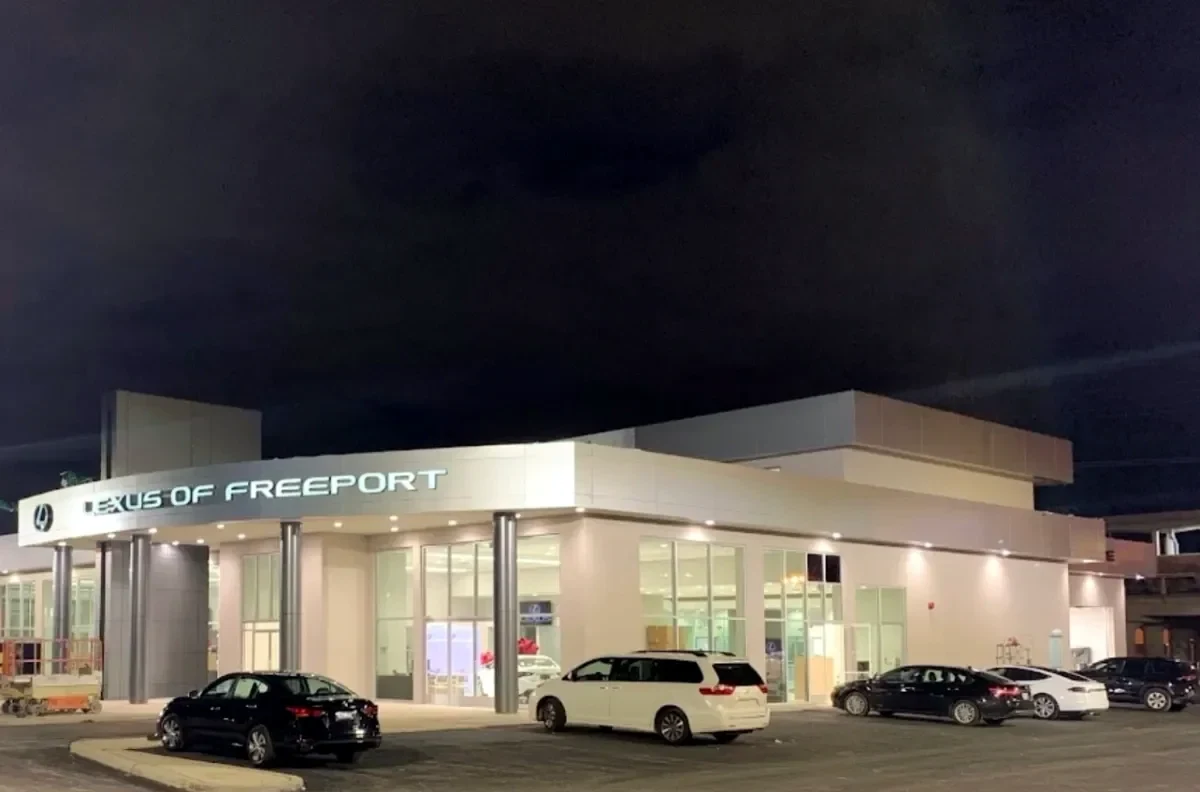
Lexus of Freeport exterior illuminated with commercial LED lighting at night

COMMERCIAL SPACES. REAL-WORLD NEEDS.

Lighting belongs in the context of the property.

A dealership exterior combines building presentation, vehicle areas, and customer approaches. This photograph, featured on Creative Lighting’s website, illustrates the relationship between a commercial building and its exterior lighting.

Tell us about your own property and the lighting concerns you want to resolve. We can discuss relevant experience and the project approach during your consultation.

LOCAL PROJECT SUPPORT

Based in Plainview. Serving Long Island.

Creative Lighting supports commercial lighting projects throughout Nassau and Suffolk counties. Whether you manage one business property or several locations, begin with the project address, operating needs, and the areas you want to improve. Our Plainview office is at 23 East Mall, Plainview, NY 11803.

PlainviewNassau CountySuffolk CountyLong Island

Discuss site access, available plans, and scheduling during your initial call. A local address helps us understand the property and which utility or municipal requirements may need review. For Long Island project inquiries, call (516) 741-6333.

HELPFUL ANSWERS

Your questions, answered.

Practical information for planning your Long Island lighting project.

Can LED lighting fix dark areas in our parking lot?

It can help when the fixtures and layout address the cause. Dark areas may result from spacing, obstructions, distribution, or failed equipment. Simply increasing wattage may not solve the problem. A site review helps identify the appropriate approach.

Do we need new poles for an LED conversion?

Not necessarily. Suitable existing poles may remain, subject to assessment by the responsible qualified contractor. Condition, mounting, loading, wiring, and the proposed fixture must be considered. A lighting quote should state whether pole work is included.

How many fixtures will our lot need?

That depends on the lot dimensions, mounting heights, fixture distribution, obstructions, and intended light levels. A count based only on square footage can miss important site details. A layout or photometric review can help compare the options.

What is a photometric lighting plan?

It is a calculated representation of how selected fixtures are expected to distribute light across a defined space. It can help evaluate coverage and uniformity before purchase. Its usefulness depends on accurate site dimensions, mounting information, and fixture data.

Can you help reduce light spilling onto neighboring property?

We can review fixture distribution, aiming, shielding, and placement to help limit unnecessary spill. Nearby windows and property boundaries should be identified early. Applicable local requirements and site approvals need to be addressed by the responsible project team.

Is brighter always better for a commercial parking lot?

No. Excessive brightness in one area can create glare and uncomfortable contrast. The aim is appropriate, reasonably consistent illumination for the property’s use. Fixture selection and layout should balance visibility, neighboring properties, and operating needs.

Can the lights dim after business hours?

Compatible fixtures and controls may allow dimming or zoning. The settings must account for people still using the property, required routes, and applicable requirements. Review closing routines and overnight activity before selecting an after-hours strategy.

Do you install or repair parking lot lights?

Creative Lighting provides lighting sales, design guidance, and project support. Confirm electrical installation and repair responsibilities in the project proposal. The party handling wiring, poles, permitting, and inspections should be clearly identified before work begins.

Are parking lot LEDs eligible for PSEG rebates?

Eligibility is not automatic. Confirm whether the current PSEG Long Island program covers the proposed equipment and project before purchasing on the assumption of a rebate. Our audit can include a discussion of potential incentive questions without guaranteeing approval.

Can work be planned around customers or employees?

The project team can discuss phasing, access, parking restrictions, and suitable work windows. Lift access and electrical work may affect portions of the lot. Agree on responsibilities and scheduling with the installer and property manager before the work begins.

Do you serve Nassau and Suffolk counties?

Yes. Creative Lighting supports Long Island commercial lighting projects from Plainview. Provide the property town, type of business, and approximate project scope when requesting your review so we can discuss the next step.

What information should I provide for a parking lot audit?

Share the property address, photos of the fixtures and poles, approximate pole count, operating hours, and the locations of dark or glaring areas. A site plan is useful if available. Photos taken after dark can help explain concerns without requiring technical measurements.

Plan the connected parts of your project.

Explore the service that matches your next question.

Useful planning resources

Review product qualification and current program guidance before finalizing equipment or assuming incentive eligibility.

YOUR NEXT STEP

Let’s take a fresh look at your lot.

Tell us where the lighting falls short. We’ll help you compare a practical path to better exterior coverage.

Request My Complimentary Lighting Audit →

Call (516) 741-6333