
Creative Lighting

Home / Commercial lighting / LED retrofits

LONG ISLAND • COMMERCIAL LED RETROFITS

LED Lighting Retrofits for Long Island Businesses

Bring your lighting up to the way your business works today. Compare practical LED upgrade options, improve visibility, and understand operating costs before you invest.

Replace aging lightingPlan around operationsReview potential incentives
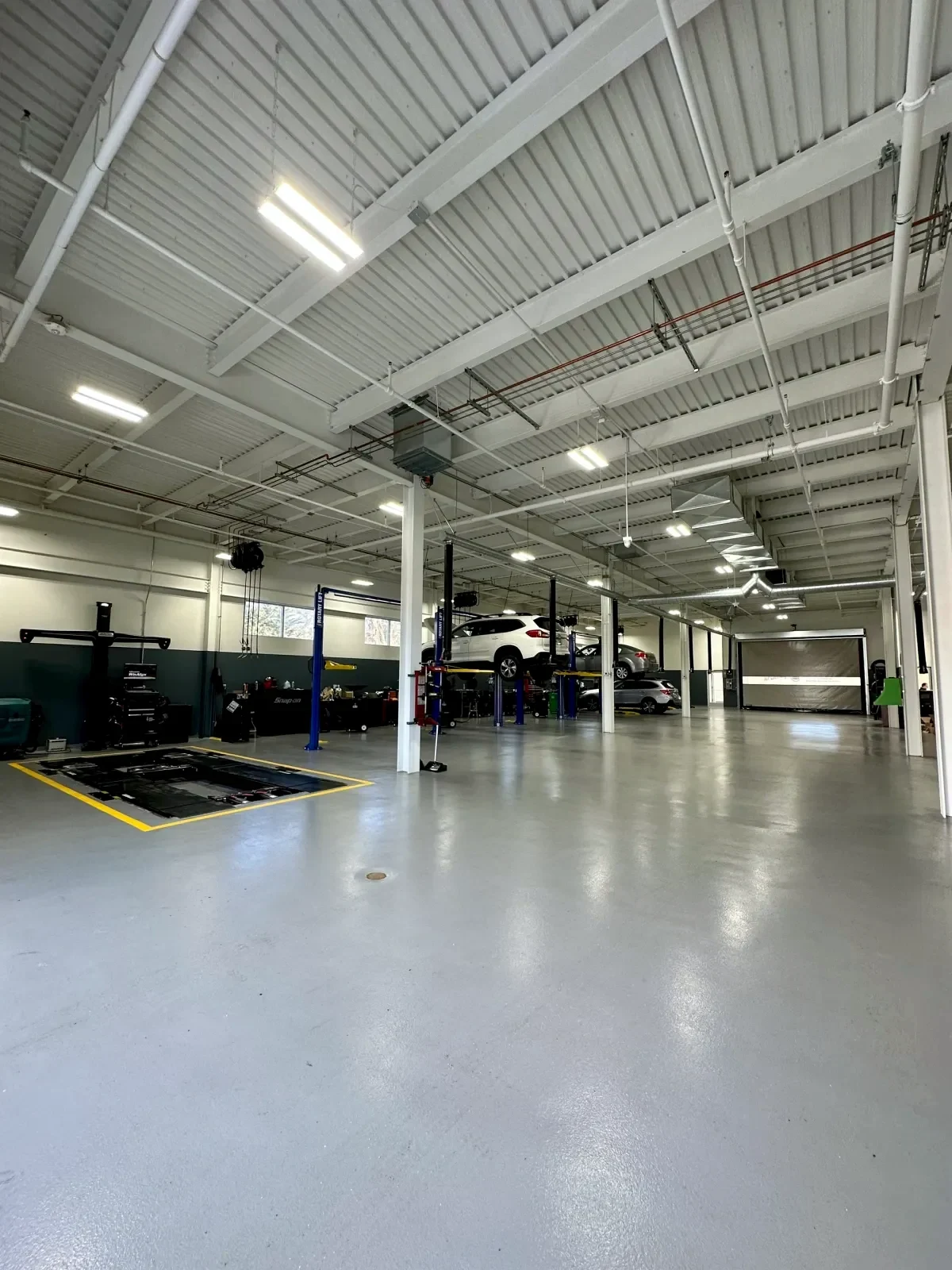
Empire Subaru service bay with bright high-ceiling commercial LED lighting

LET’S REVIEW YOUR LIGHTING

Schedule Your Complimentary Commercial Lighting Audit.

Name

(516) 741-6333

PLAINVIEW, NEW YORKLIGHTING SALES • DESIGN • CONSULTINGNASSAU & SUFFOLK COUNTIES

A PRACTICAL PLAN FOR YOUR PROPERTY

A better upgrade starts with the existing building.

If your facility still relies on fluorescent lamps, metal halide fixtures, or other aging HID equipment, another round of replacements may only postpone a bigger decision. Creative Lighting helps Long Island businesses evaluate LED retrofit options around the lighting they have, the work they do, and the improvements they actually need. The starting point is a complimentary commercial lighting audit—not a preset fixture package. From Plainview, we support businesses throughout Nassau and Suffolk counties with lighting sales, design guidance, and project planning.

01

Improve useful light

Look beyond brightness alone. The right distribution can make work surfaces, aisles, counters, and entrances easier to see without making every space feel harsh. Review glare, shadows, color quality, and the relationship between fixtures and the work below them.

02

Understand operating costs

Compare connected wattage, hours of use, controls, and maintenance access. A lower-wattage fixture is only one part of the picture. A clear estimate separates equipment cost, installation scope, and potential operating savings so you can make a practical decision.

03

Keep the good infrastructure

A retrofit does not automatically mean replacing everything. Existing mounting positions and suitable housings may still be useful. Compatibility, electrical condition, and the desired lighting result determine whether to retain equipment, use a retrofit solution, or choose complete replacement.

01 / RETROFIT PLANNING

Three ways to approach an LED retrofit

Lamp replacement

Where the existing fixture is suitable, an approved LED lamp replacement may offer a limited upgrade. Ballast compatibility, wiring requirements, lamp orientation, dimming, and fixture condition must be checked. A low initial price is not enough if the result leaves poor light distribution or an aging component likely to need service.

Retrofit kits

A compatible kit can update the light source and related components while retaining an appropriate housing. This can be useful where the existing fixture style or ceiling opening matters. Review the specific combination, required modifications, product instructions, and access for future maintenance before settling on a kit.

Complete fixture replacement

New luminaires may be the stronger choice when housings are deteriorated, optics are unsuitable, or the layout needs a substantial improvement. Replacement also creates an opportunity to revisit fixture spacing and controls. Compare the whole installed scope rather than comparing lamp prices with fixture prices.

02 / RETROFIT PLANNING

Plan each area for its actual use

Offices, retail, and customer spaces

Office workstations, sales floors, salons, medical spaces, and showrooms have different visual demands. Color appearance, reflections on screens, ceiling conditions, and the way products or faces are seen deserve attention. Avoid applying the same brightness and color temperature across a mixed-use property without reviewing each zone. See retail LED lighting retrofits

Service bays and industrial interiors

Maintenance areas, production spaces, and storage aisles need lighting planned around task locations, obstructions, and mounting heights. High fixtures can make maintenance disruptive. Where warehouse design is the main challenge, our dedicated warehouse lighting page explores high-bay and aisle layouts in greater depth.

Exterior areas

An interior retrofit can be coordinated with entrances, loading areas, and parking. Exterior fixtures need suitable distribution, weather exposure ratings, and controls. Keep exterior requirements in their own scope so a straightforward interior upgrade does not conceal additional pole, wiring, or access work.

FACILITY FIRST. INCENTIVES VERIFIED.

Start with a lighting audit.

A useful review identifies your lighting needs before equipment is ordered. We can also discuss questions about potential PSEG Long Island incentives. Current eligibility must be confirmed for the specific project; an LED upgrade is not automatically eligible.

03 / RETROFIT PLANNING

Controls that follow your operating schedule

Match runtime to occupancy

Storage areas, meeting rooms, restrooms, and back-of-house spaces are not occupied in the same way. Occupancy sensors, scheduling, and suitable dimming may reduce unnecessary runtime. Sensor placement and settings should account for real movement, obstructions, and the need to keep occupied areas comfortably illuminated.

Review daylight and zoning

Spaces with useful daylight may benefit from compatible daylight-responsive controls. Other properties benefit more from separate zones or a reliable schedule. Existing switches, control wiring, drivers, and staff routines affect the choice. An upgrade should be straightforward for the people opening, closing, and maintaining the building.

04 / RETROFIT PLANNING

Make the budget useful before choosing equipment

Start with a reliable baseline

Gather fixture counts, existing system wattages, operating hours, utility information, and known maintenance problems. Estimate annual lighting energy using system watts, fixture quantity, and operating time. Account for ballasts or drivers rather than relying only on the lamp label. Any savings projection should state its assumptions clearly.

Separate savings from incentives

Compare upfront costs with estimated energy and maintenance changes. The outcome depends on your actual building, rates, usage, and equipment. Potential utility incentives are a separate eligibility question; they should not be treated as guaranteed income or used to hide a lighting plan that does not meet the facility’s needs.

FROM FIRST CALL TO PROJECT PLANNING

A clear next step at every stage.

STEP 01

Review your facility

Discuss the current lighting, daily operating schedule, photos, maintenance concerns, and the areas that need improvement. A site review can fill in details that are hard to assess remotely.

STEP 02

Compare the options

Review suitable lamps, kits, luminaires, layouts, and controls. Identify the practical tradeoffs between retaining equipment and replacing it, then define what the proposed upgrade includes.

STEP 03

Clarify the project scope

Confirm who supplies equipment and who is responsible for electrical installation, permits, access equipment, and scheduling. Establish these responsibilities in the written proposal before work is booked.

STEP 04

Plan the handover

Arrange for the responsible installer to check operation and controls. Keep product information, warranties, settings, and any required program documentation available to the facility team.

Empire Subaru service bay with bright high-ceiling commercial LED lighting

COMMERCIAL SPACES. REAL-WORLD NEEDS.

Lighting belongs in the context of the property.

A service bay brings together high ceilings, vehicles, work areas, and circulation. This photograph, featured on Creative Lighting’s website, shows why a retrofit conversation should consider the whole space—not just a lamp specification.

Tell us about your own property and the lighting concerns you want to resolve. We can discuss relevant experience and the project approach during your consultation.

LOCAL PROJECT SUPPORT

Based in Plainview. Serving Long Island.

Creative Lighting supports commercial lighting projects throughout Nassau and Suffolk counties. Whether you manage one business property or several locations, begin with the project address, operating needs, and the areas you want to improve. Our Plainview office is at 23 East Mall, Plainview, NY 11803.

PlainviewNassau CountySuffolk CountyLong Island

Discuss site access, available plans, and scheduling during your initial call. A local address helps us understand the property and which utility or municipal requirements may need review. For Long Island project inquiries, call (516) 741-6333.

HELPFUL ANSWERS

Your questions, answered.

Practical information for planning your Long Island lighting project.

Can you upgrade fluorescent lighting to LED?

Often, but the correct method depends on the existing fixture and electrical arrangement. Compatible lamps, retrofit kits, and complete fixture replacement are different options. We start by reviewing the equipment and desired result, then help you compare suitable approaches.

Do metal halide and HID fixtures have to be replaced?

Not every situation has the same answer. Housing condition, optics, mounting, and compatibility matter. Complete replacement may produce better distribution or easier maintenance, while an appropriate retrofit may retain useful components. A facility review helps establish the practical choice.

Will an LED retrofit lower our electric bill?

It may reduce lighting energy use when the new system uses less power or runs fewer unnecessary hours. Actual bill changes depend on usage, rates, controls, and other building loads. We do not promise a universal savings percentage.

Can we keep the current ceiling openings?

Sometimes. Suitable replacement luminaires or retrofit kits may fit existing openings, but dimensions, support, electrical conditions, and product requirements must be checked. Share photos and measurements during the initial review to help narrow the options.

Can the project be completed in phases?

A phased plan may suit an occupied business or a staged budget. Divide the work into practical zones and consider how old and new systems will operate together. Access, staff schedules, and installer availability determine the final sequence.

What does the complimentary lighting audit cover?

The review begins with your existing lighting, facility use, concerns, and upgrade goals. It helps identify next steps for equipment and layout planning. Confirm the visit scope when scheduling; a lighting review is not automatically a formal engineering study.

Are PSEG Long Island lighting rebates guaranteed?

No. The current program must be checked for your proposed equipment and project. An LED upgrade should not be assumed eligible simply because it saves electricity. Verify availability, any approval requirements, and documentation before relying on an incentive.

Do you provide electrical installation?

Creative Lighting provides lighting sales, design guidance, and project support. The written project scope should identify the party responsible for electrical installation, permitting, and inspection. Ask us to clarify those arrangements for your facility before scheduling work.

Can existing dimmers and sensors stay?

Only when they are compatible with the proposed equipment and control method. Existing controls should be reviewed alongside drivers, wiring, and fixture specifications. Keeping an incompatible control can cause poor operation even when the light fixture itself is suitable.

Do you serve both Nassau and Suffolk counties?

Yes. Creative Lighting is based in Plainview and supports Long Island commercial lighting projects in Nassau and Suffolk counties. Share the project town, property type, and scope so we can discuss the appropriate next step.

What should I send for an initial consultation?

Send the project town, facility type, approximate size, fixture photos, and your main concern. Fixture counts, mounting heights, operating hours, and existing wattages are helpful if available. You do not need every technical detail to start the conversation.

How do we request a retrofit review?

Call (516) 741-6333 or request a complimentary commercial lighting audit. Tell us whether the priority is operating cost, maintenance, light quality, or a planned renovation so the discussion begins with your business needs.

Plan the connected parts of your project.

Explore the service that matches your next question.

Useful planning resources

Review product qualification and current program guidance before finalizing equipment or assuming incentive eligibility.

YOUR NEXT STEP

Ready to put your existing lighting to better use?

Start with your building, your schedule, and your priorities. We’ll help you understand the next practical step.

Request My Complimentary Lighting Audit →

Call (516) 741-6333